

MEET THE FOUNDER
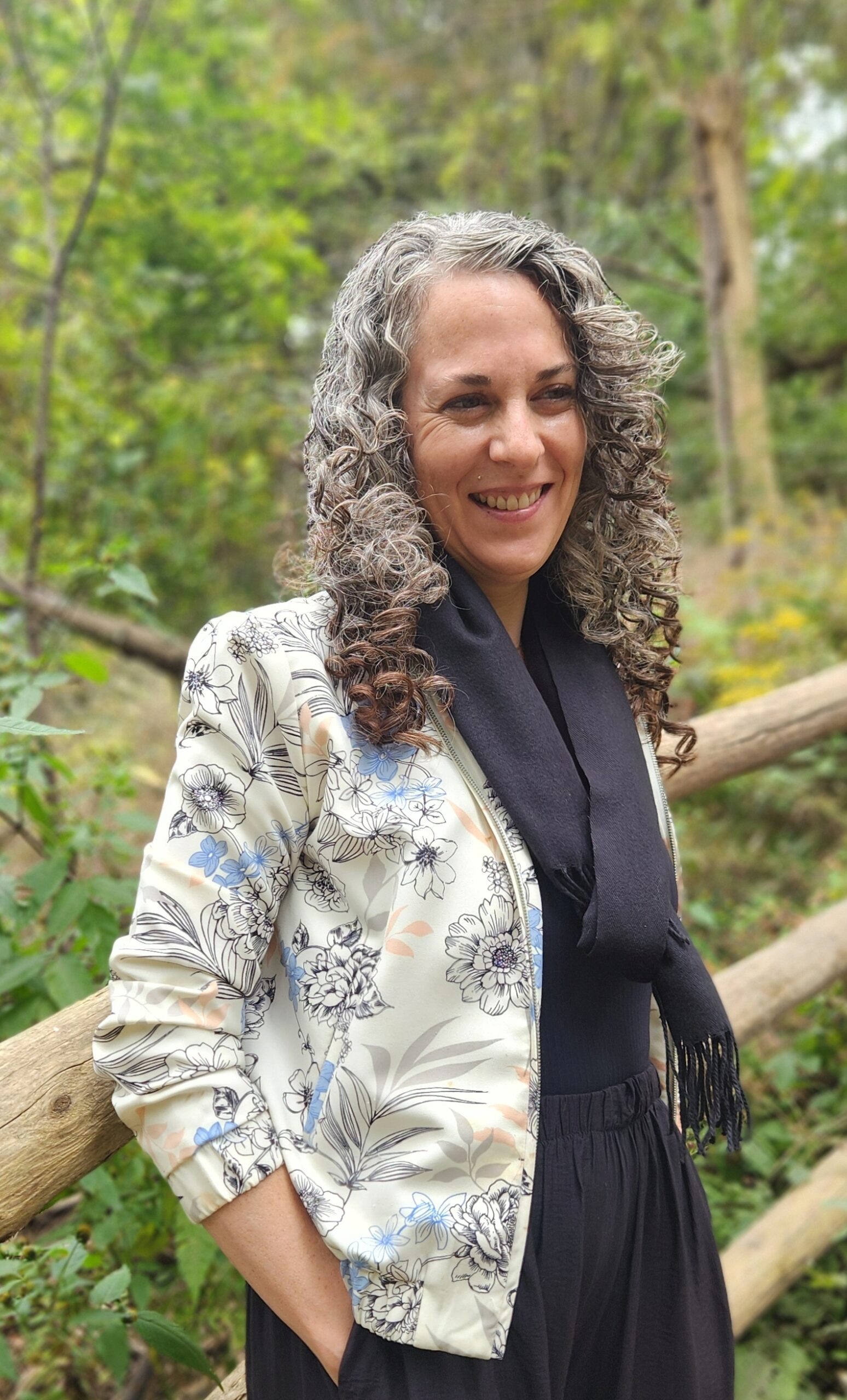
Anna Gedalof CNP
Nutritionist · Chef · Food Program Design
Anna is a certified nutritionist and chef whose career has taken her through restaurant kitchens, institutional food programs, local procurement, catering and food retail. She spent the first decade of her culinary career cooking and working as a chef in fine-dining restaurants in Toronto and Tel Aviv. She later became head chef at Toronto’s prestigious Havergal College, where her kitchen fed hundreds of students and faculty each day, including the school’s boarding community.
Anna grew up moving between countries, following her father’s work with the UN’s refugee organization before arriving in New York at eighteen. Constantly encountering new places and peoples attuned her to cultural difference: the many fascinating ways that people’s attitudes and values show up in their care for others, in their approach to food and everyday living.
At university, that curiosity led her to study anthropology, with a particular interest in medicine, society and the ways our surroundings shape health.
Cooking wasn’t part of the plan.
As a student, Anna stumbled into an entry-level restaurant job. She came to realize that, surprisingly, a professional kitchen environment suited her temperament extremely well: intensely organized and practical on one hand, creative and sensory on the other. She trained in ingredient-driven kitchens where menus changed with the market and the season. She was as interested in how a kitchen worked as in what came out of it: the choreography, organization and processes that turn great ingredients into great service. She discovered a talent in improving those systems. What began as cooking was already becoming a way of looking at food: where it comes from, what we do to it, who it feeds, and what happens next.
Food at Scale
When Anna became Head Chef at Havergal College in Toronto, those questions suddenly had to work in an institutional setting. She reshaped the school’s food program around from-scratch cooking, stronger nutrition and a greater commitment to local sourcing and Ontario producers. Her commitment to regional food led to her becoming a Brand Ambassador for 100km Foods, the Toronto distributor connecting chefs and food businesses with farms and producers throughout Southern Ontario.
Running a large, local-first food program means thinking beyond the menu. Seasonality has to survive purchasing. Nutrition has to survive appetite. A menu has to survive staffing, budgets, equipment, dietary needs and the systems required to put good food on hundreds of plates every day. And, at the end of all that, the food still has to be delicious.
Good intentions are only the beginning. What matters isn’t whether an idea about food is good. It’s whether you can build the conditions that allow it to happen every day.
Building The Ellery
That way of thinking thinking followed Anna into the business that gave The Ellery its name. The Ellery began as a Toronto restaurant, caterer and store built around relationships with local Ontario farms and makers. It gave Anna another way to bring together the things that are too often separated: excellent ingredients and comfort food, health and pleasure, local sourcing and ordinary appetite. It also meant following food through the whole chain: from producer and purchasing decision to kitchen, customer and table.
Across those varied settings, the work was different but one theme was strangely consistent: good food, health, where food comes from, the systems that shape how people eat, and the place food holds in a life well lived.
Nutrition brought those questions to the scale of the individual body.
After two decades spent thinking about provenance, cooking, sourcing and systems, formal nutrition training added a new discipline to the work. But it also brought Anna back to questions that had been following her for years: What nourishes us? How does food make us feel? What makes us feel whole, and well? What makes us thrive?
Knowing what may support someone’s health is one part of the job. The other is understanding what they’re actually going to eat on Wednesday night.
What can they afford and find nearby? What do they know how to cook? What will everyone else at the table eat? And which changes are realistic enough to become ordinary?
Today, The Ellery brings those strands together: nutrition, cooking, sourcing and years of experience making good food work in the real world. Nutrition is a food practice here, not an abstract set of instructions. And the same habit of attention carries into The Ellery’s culinary and organizational work: look at the whole situation, understand what the food needs to accomplish, and make it work for the people who will actually eat it.